Fertilizing your lawn is essential for maintaining a lush, green turf, but it’s important to do it correctly to avoid damaging your grass or harming the environment. Start by testing your soil to determine its pH level and nutrient content, as this will help you choose the right type of fertilizer for your lawn’s specific needs. Different fertilizers contain varying ratios of nitrogen, phosphorus, and potassium (N-P-K), each playing a crucial role in grass growth and overall health. Nitrogen promotes green growth, phosphorus supports root development, and potassium enhances disease resistance.
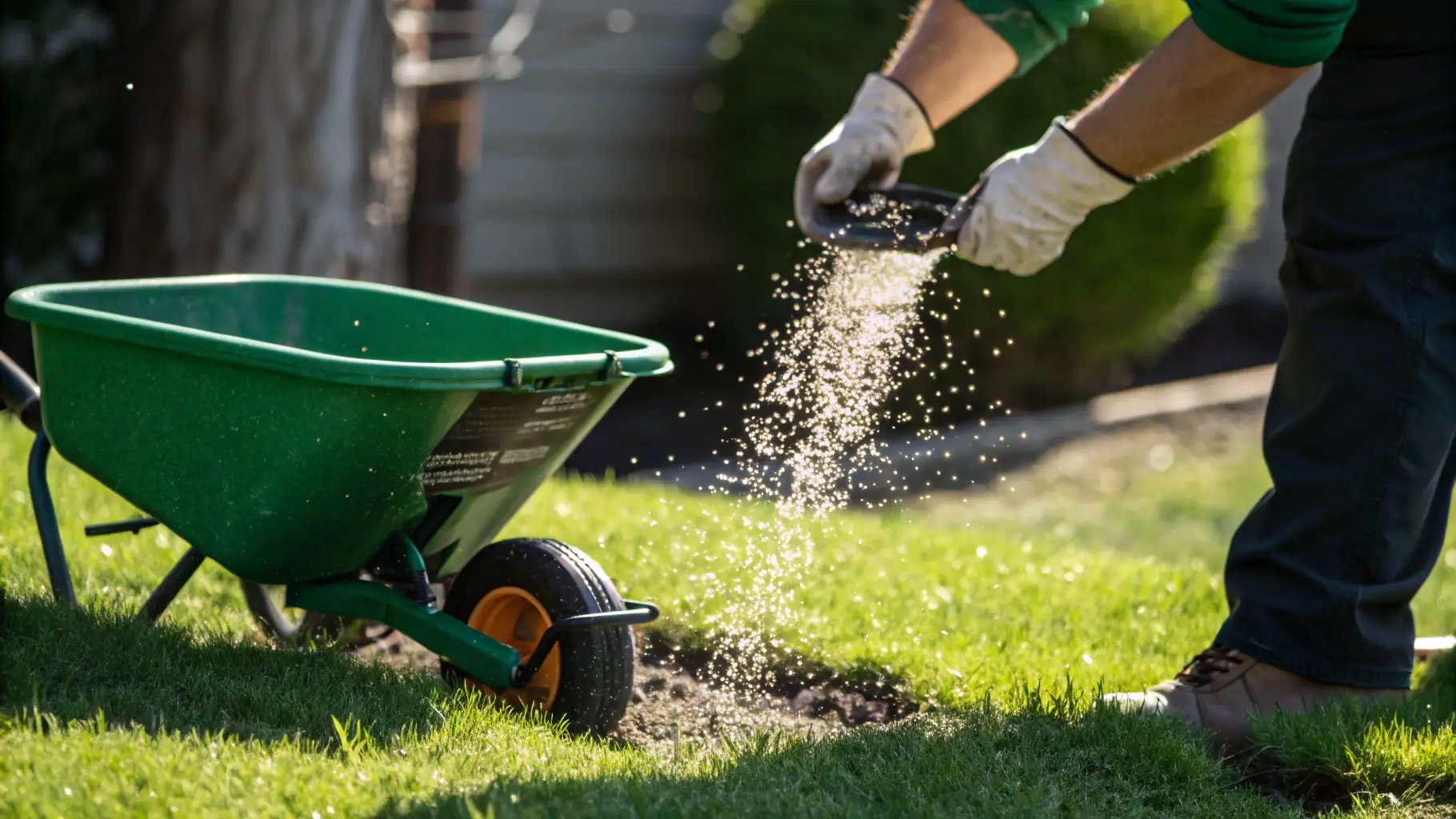
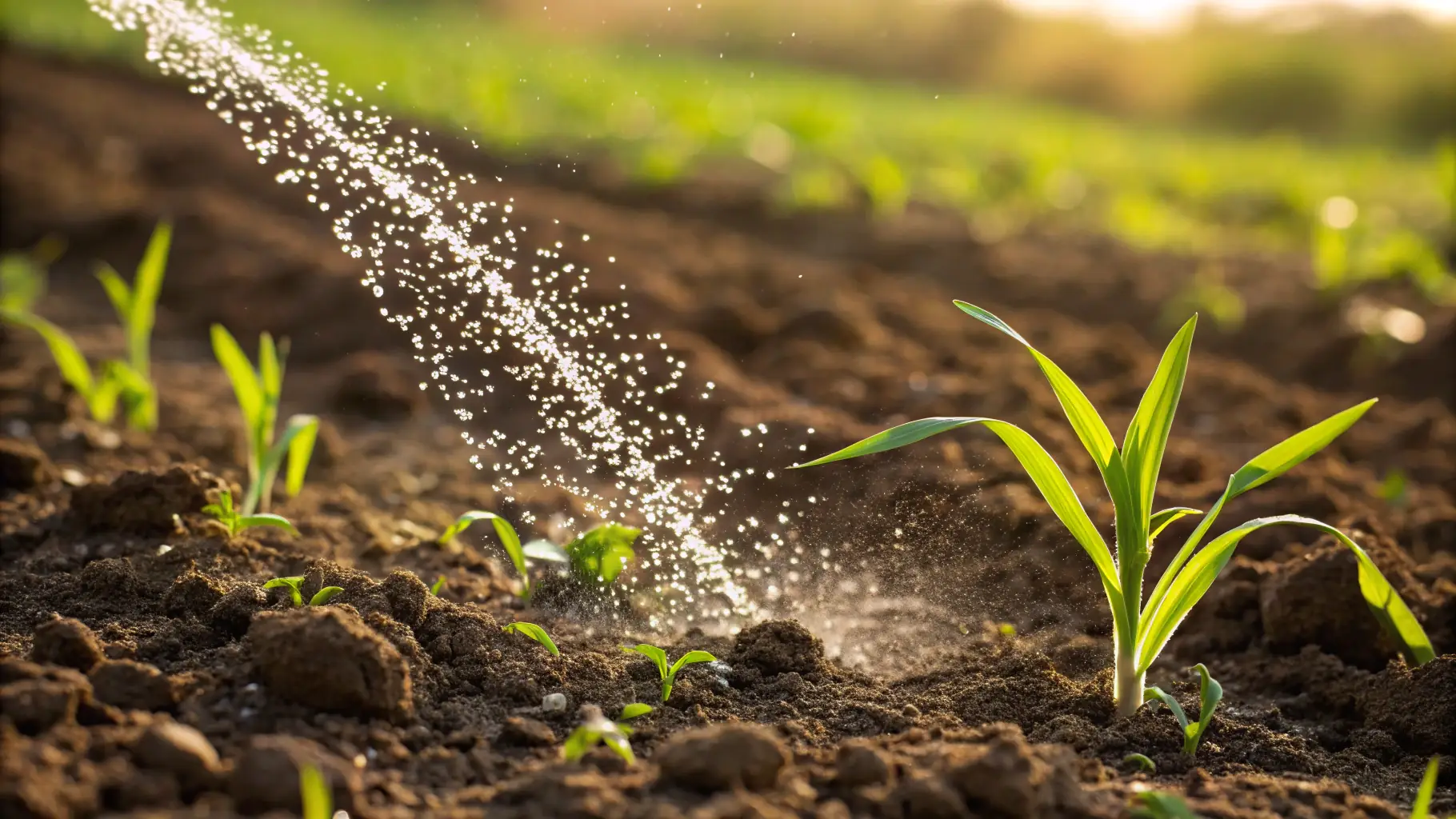
When applying fertilizer, always follow the manufacturer’s instructions carefully to avoid over-fertilizing, which can lead to fertilizer burn and water pollution. Use a spreader to ensure even distribution of the fertilizer across your lawn, and avoid applying fertilizer on windy days, as this can cause it to drift onto unwanted areas. Water your lawn thoroughly after fertilizing to help the nutrients penetrate the soil and reach the grass roots. Consider using a slow-release fertilizer, which gradually releases nutrients over time, providing a steady supply of nourishment to your lawn.
Timing is also crucial when it comes to fertilizing your lawn. The best time to fertilize is typically in the spring and fall, when the grass is actively growing and can readily absorb the nutrients. Avoid fertilizing during the heat of summer, as this can stress the grass and make it more susceptible to disease. By following these steps, you can create a vibrant and healthy lawn that enhances the beauty of your home and provides a welcoming space for outdoor activities. Remember to choose environmentally friendly fertilizers and practices to protect our local ecosystem.